
Cholesterol Treatment in Burlington
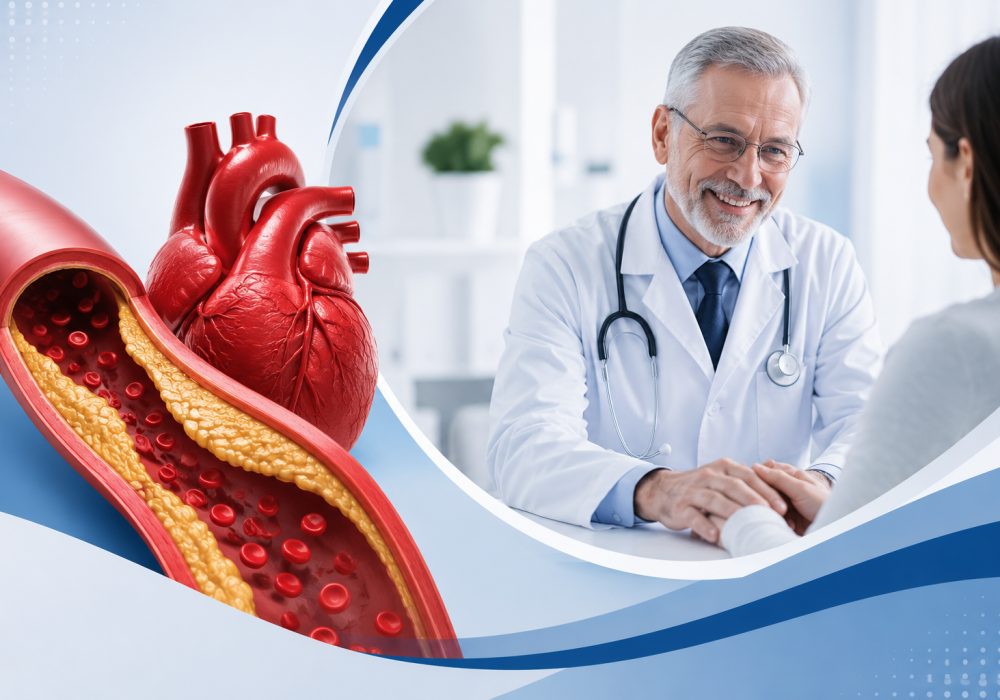
High cholesterol is one of the most common health concerns affecting adults today, and it often has no noticeable symptoms until it leads to more serious problems like heart disease or stroke. The good news is that with the right testing, guidance, and treatment, cholesterol levels can be managed effectively and heart health can be protected long-term.
At Palladium Urgent Care and Family Practice, our team offers experienced, patient centered care to help you understand your cholesterol levels and take the right steps toward better health. As a trusted walk-in clinic in Burlington, we make it easy to get answers and a clear treatment plan without long waits.
Understanding Cholesterol in Burlington
Cholesterol is a fatty substance found in your blood that your body needs to build healthy cells. However, when cholesterol levels become too high, it can build up in your artery walls, increasing the risk of heart attack and stroke over time.
There are two main types of cholesterol to know about. LDL cholesterol, often called bad cholesterol, contributes to plaque buildup in the arteries when levels are too high. HDL cholesterol, often called good cholesterol, helps remove excess cholesterol from the bloodstream. A healthy balance between these two types is important for long term heart health.
Cholesterol levels are usually checked through a simple blood test, often called a lipid panel. This test measures total cholesterol, LDL, HDL, and triglycerides, giving your doctor a clear picture of your cardiovascular risk.
Common Causes and Risk Factors for High Cholesterol
Several factors can contribute to high cholesterol in Burlington residents, including:
- A diet high in saturated and trans fats
- Lack of regular physical activity
- Being overweight or obese
- Smoking
- Family history of high cholesterol
- Certain medical conditions, such as diabetes or hypothyroidism
- Age, since cholesterol levels often rise as we get older
Understanding your personal risk factors helps guide the right approach to testing and treatment.
Cholesterol Specialist in Burlington: Why Specialized Care Matters
Working with a cholesterol specialist in Burlington ensures you receive care that goes beyond a simple lab result. A specialist looks at your full cardiovascular risk profile, including family history, lifestyle, and any related conditions, to create a treatment plan tailored specifically to you.
At our clinic, we take time to explain your test results clearly and discuss what they mean for your overall health. We believe informed patients make better decisions about their care, which is why clear communication is central to how we practice.
Hypercholesterolemia in Burlington: Understanding the Condition
Hypercholesterolemia is the medical term for high cholesterol levels in the blood. It can be caused by lifestyle factors, but in some cases, it is inherited through a condition called familial hypercholesterolemia, which causes very high cholesterol levels from an early age due to genetic factors.
Patients with hypercholesterolemia in Burlington often have no symptoms at all, which is why routine screening is so important. Left unmanaged, this condition significantly increases the risk of coronary artery disease, heart attack, and stroke over time.
Hypercholesterolemia Specialist in Burlington: Personalized Evaluation
A hypercholesterolemia specialist in Burlington evaluates whether your high cholesterol is related to lifestyle factors, genetics, or an underlying medical condition. This distinction matters because treatment approaches can differ significantly depending on the cause.
For patients with suspected familial hypercholesterolemia, additional testing and sometimes genetic counseling may be recommended, along with closer monitoring and often a more assertive treatment approach given the higher associated risks.
Hypercholesterolemia Treatment in Burlington: Our Approach
Effective hypercholesterolemia treatment in Burlington combines lifestyle changes with medical management when needed. Our approach typically includes:
Dietary guidance: We help patients adopt heart healthy eating habits, including reducing saturated fats, increasing fiber intake, and choosing foods that support healthy cholesterol levels.
Physical activity recommendations: Regular exercise helps raise HDL cholesterol and supports overall cardiovascular health. We work with patients to build realistic activity plans that fit their lifestyle.
Weight management support: For patients who are overweight, gradual weight loss can significantly improve cholesterol levels and reduce overall cardiovascular risk.
Medication when appropriate: For patients whose cholesterol remains high despite lifestyle changes, or those with genetic hypercholesterolemia, medication may be recommended to bring levels into a safer range.
Regular monitoring: We schedule follow up testing to track how your cholesterol levels respond to treatment and adjust your plan as needed over time.
Hypercholesterolemia Treatment in Burlington: Our Approach
Effective hypercholesterolemia treatment in Burlington combines lifestyle changes with medical management when needed. Our approach typically includes:
1. Dietary guidance: We help patients adopt heart healthy eating habits, including reducing saturated fats, increasing fiber intake, and choosing foods that support healthy cholesterol levels.
2. Physical activity recommendations: Regular exercise helps raise HDL cholesterol and supports overall cardiovascular health. We work with patients to build realistic activity plans that fit their lifestyle.
3. Weight management support: For patients who are overweight, gradual weight loss can significantly improve cholesterol levels and reduce overall cardiovascular risk.
4. Medication when appropriate: For patients whose cholesterol remains high despite lifestyle changes, or those with genetic hypercholesterolemia, medication may be recommended to bring levels into a safer range.
5. Regular monitoring: We schedule follow up testing to track how your cholesterol levels respond to treatment and adjust your plan as needed over time.
Hypercholesterolemia Doctor in Burlington: What to Expect
When you visit a hypercholesterolemia doctor in Burlington at our clinic, your first appointment will include a review of your medical history, family history, and lifestyle habits. We will likely order a lipid panel if you have not had one recently, and discuss any other relevant tests based on your individual risk factors.
Once we understand your full picture, we explain your results in plain language and work with you to set realistic, achievable goals. Follow up visits allow us to track your progress and make adjustments to your treatment plan as your cholesterol levels change over time.
Why Choose Palladium Urgent Care and Family Practice
Patients choose Palladium Urgent Care and Family Practice for cholesterol care because we combine medical expertise with genuine, ongoing support. We understand that managing cholesterol is often a long term journey, and we are committed to walking alongside our patients every step of the way.
Our team stays current with the latest cholesterol management guidelines, ensuring your care is based on proven, up to date medical practices. Whether you need routine screening or ongoing management of hypercholesterolemia, our goal is to help you protect your heart health for years to come.
Book Your Appointment Today
Managing your cholesterol is a simple, responsible step toward protecting your long term health, and it should never feel difficult to arrange. Palladium Urgent Care and Family Practice is currently accepting new patients in Burlington for cholesterol testing and treatment.
To book your appointment:
- Call us at 905-390-0703 or 289-714-2686
- Register as a new patient through our online form: Register Here
- Visit us at 4645 Palladium Way, Unit 101, Burlington, ON, L7M 0W9
Our team is ready to support you with privacy, respect, and clear guidance at every step.
FAQ for Cholesterol Treatment
Q. How often should I get my cholesterol checked?
Most adults should have their cholesterol checked every four to six years, though those with risk factors like family history, diabetes, or heart disease may need more frequent testing, as recommended by their doctor.
Q. Can high cholesterol be managed without medication?
Yes, many patients can improve their cholesterol levels through diet, exercise, and weight management alone. However, some patients, especially those with genetic hypercholesterolemia, may still need medication alongside lifestyle changes.
Q. What is the difference between cholesterol and hypercholesterolemia?
Cholesterol refers to the fatty substance in your blood, while hypercholesterolemia refers specifically to the medical condition of having high cholesterol levels. Hypercholesterolemia can result from lifestyle factors or genetics.
Q. Is high cholesterol hereditary?
It can be. A condition called familial hypercholesterolemia is inherited and causes very high cholesterol levels from an early age. Your doctor can help determine if genetic factors are contributing to your condition.
Q. What foods should I avoid with high cholesterol?
It is generally best to limit foods high in saturated and trans fats, such as fried foods, processed snacks, and fatty cuts of meat. Your doctor or specialist can provide personalized dietary guidance based on your specific levels.
Q. Are there any symptoms of high cholesterol?
High cholesterol usually has no noticeable symptoms, which is why routine blood testing is so important. In some cases, very high levels may cause visible signs like yellowish deposits around the eyes, but this is not common.